How to Validate a SaaS Idea in 7 Days Without Overbuilding
A practical 7-day framework for testing a SaaS idea before spending months building it, using customer conversations, an MVP, and real buying signals.

Obaid Tariq
Start With the Problem, Not the Feature List
A SaaS idea should begin with a specific customer problem rather than a long list of features. The goal on day one is to understand exactly what the product is supposed to solve and identify the single core feature that delivers the main outcome.
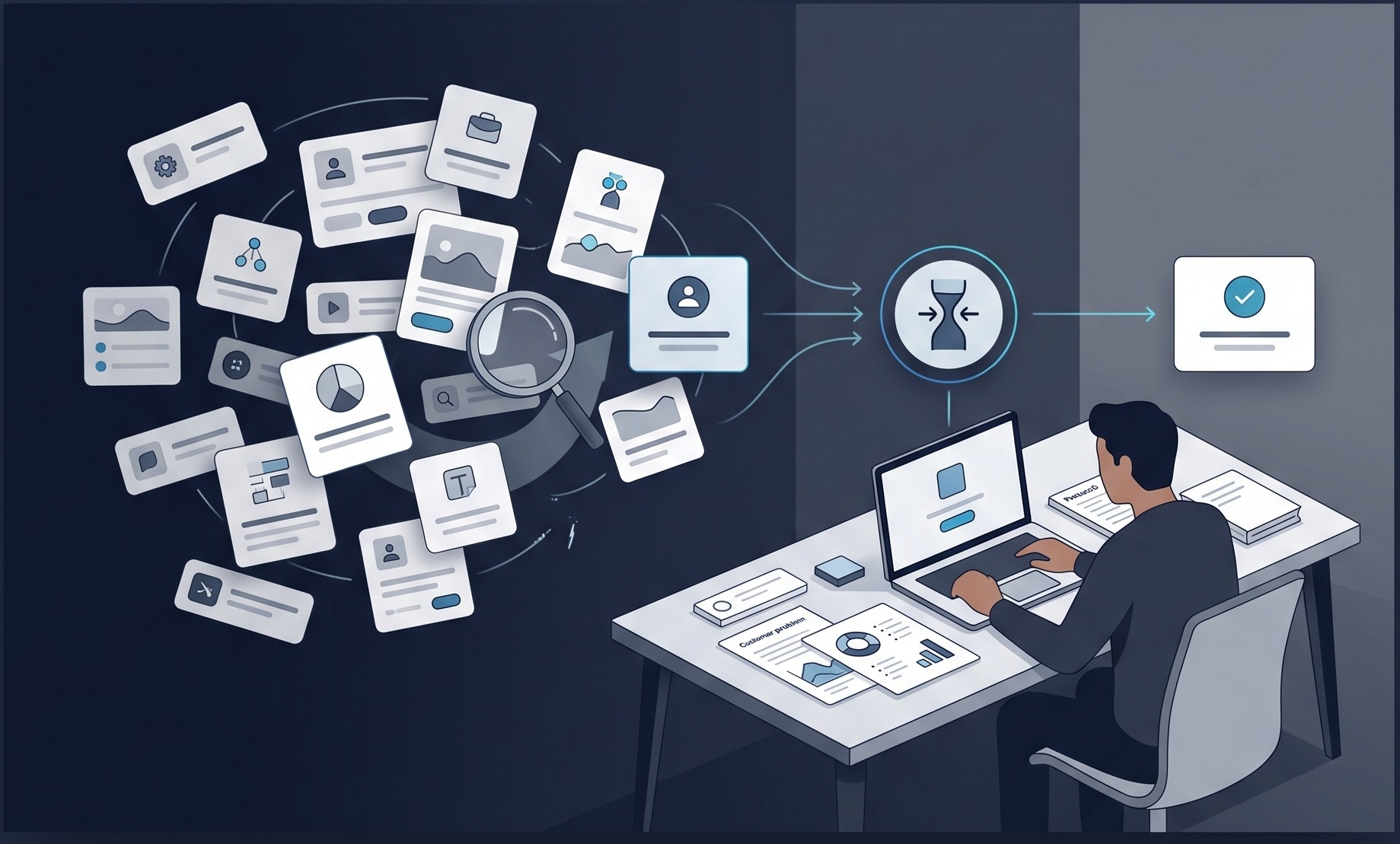
One useful question is whether the problem is a painkiller or a vitamin. A painkiller addresses a problem people actively want to solve, while a vitamin may simply be something they like having.
Define the specific customer problem.
Identify who experiences the problem.
Reduce the product to one core outcome.
Ask whether people would pay to solve the problem.
Avoid expanding the idea into a large feature set before validation.
Build the Smallest Useful MVP
Once the problem is clear, build the smallest version of the product that demonstrates the solution. The goal is not to create a polished SaaS with every planned feature. The goal is to create something that a potential customer can actually understand and use.
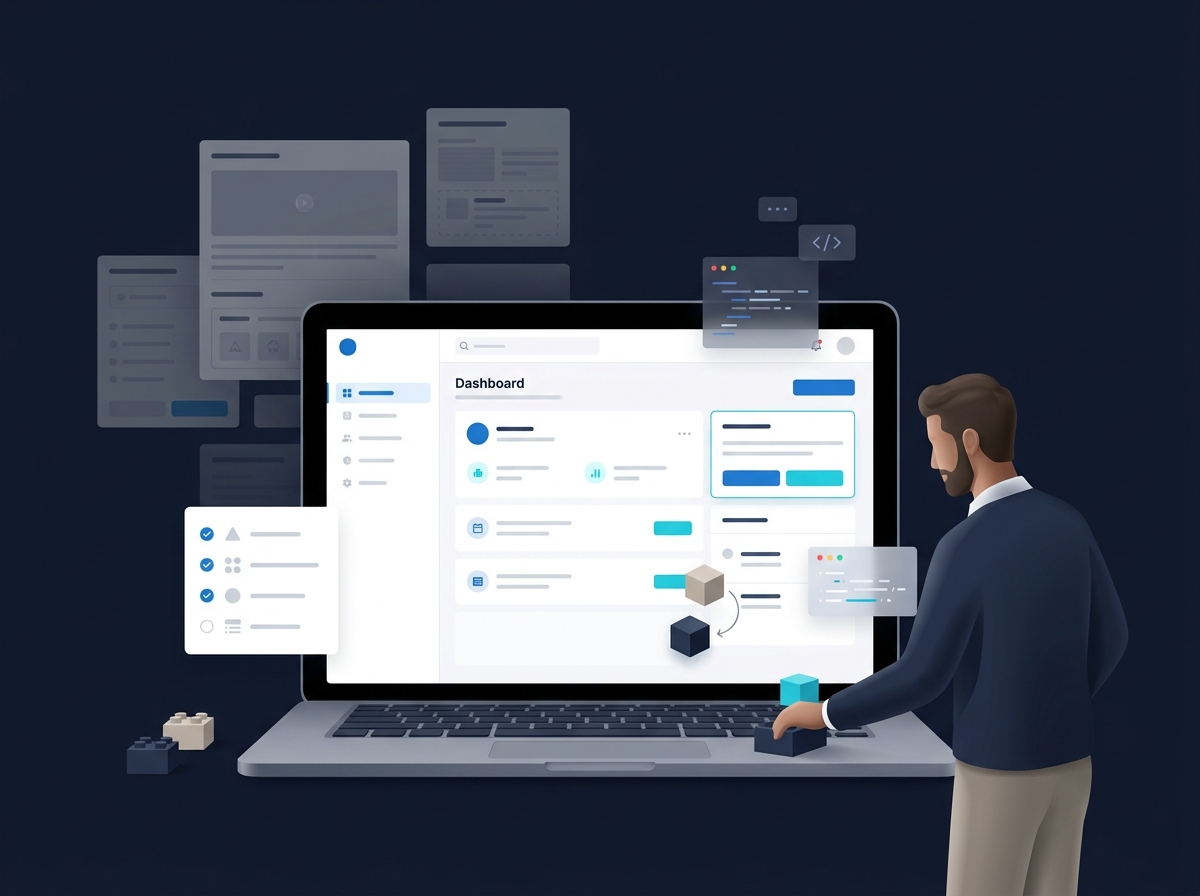
In the example from the validation process, the MVP allowed content creators to upload videos, organize them into collections, tag them, and search for specific footage. It was simple and buggy, but it solved the core problem well enough to start testing demand.
Build only the core functionality.
Avoid spending months polishing the product.
Use existing templates and AI coding tools where appropriate.
Make the MVP usable enough for real customers to evaluate.
Start selling once the core problem can be demonstrated.
Talk to Potential Customers
Day three is where the validation process moves from building to customer research. Instead of assuming that people need the product, talk directly to people who match the intended audience and learn how they currently solve the problem.

Short, problem-focused outreach can be more useful than a long product pitch. Asking how someone currently solves the problem creates an opportunity to understand their existing behavior before introducing the product.
Find people who match your intended customer profile.
Ask how they currently solve the problem.
Learn what frustrates them about their existing workflow.
Look for evidence that the problem is real and recurring.
Introduce the product after understanding the problem.
Test the Landing Page and Acquisition
A simple landing page gives potential customers somewhere to go after they discover the product. The page does not need to be elaborate. It needs to explain who the product is for, what problem it solves, and what the visitor should do next.
| label | Days |
|---|---|
| Previous project | 365 |
| 7-day validation | 7 |
| Most recent validation | 14 |
The validation process also used paid ads alongside direct outreach. The ads initially produced no sales, but changes to the landing page based on conversations with potential customers were followed by two sales. This showed why acquisition and messaging need to be tested together.
Clearly identify the target customer.
Explain the problem in simple language.
Show how the product addresses that problem.
Use one clear call to action.
Use customer questions to improve the landing page.
Test acquisition rather than assuming customers will find the product.
Use Customer Feedback to Improve the Message
Customer conversations can reveal problems that are difficult to see from inside the product. Questions from potential customers can show which parts of the product are unclear, which features matter to them, and which benefits should be emphasized.
Instead of immediately adding more functionality, use this feedback to improve the explanation of the product. Better messaging can sometimes have a greater impact on conversion than adding another feature.
Track recurring questions from potential customers.
Identify what people do not understand.
Look for repeated feature requests.
Update the landing page based on real conversations.
Improve the value proposition before adding unnecessary features.
Measure More Than Sales
Getting a sale is useful evidence, but a small number of sales does not automatically mean the business is validated. You also need to understand where those customers came from, how much it cost to acquire them, and whether the product solves a problem that is painful enough to support continued demand.
In the example, two sales were generated after advertising and landing-page changes. However, the advertising spend was between $60 and $80, and the customers did not provide further engagement. The result suggested that there was some willingness to pay, but the problem was not clearly painful enough to justify continuing with the product.
Track where customers come from.
Compare acquisition costs with revenue.
Pay attention to customer engagement after purchase.
Look for repeatable demand rather than isolated purchases.
Distinguish evidence of interest from evidence of a sustainable business.
Decide Whether to Keep, Pivot, or Move On
The purpose of a validation sprint is not to prove that an idea will succeed. It is to reduce uncertainty quickly enough to make a better decision about where to spend your time.
For a solo founder, this can be especially important because time and energy are limited. The framework described here uses seven to fourteen days as a practical testing window before deciding whether an idea deserves more investment.
Keep working on the idea when evidence supports continued testing.
Pivot when the problem appears real but the audience, positioning, or solution needs to change.
Move on when the evidence does not justify additional time.
Treat unsuccessful experiments as learning rather than wasted development.
Apply what you learn to the next idea.
Validate Before You Spend Months Building
The biggest change in this approach is the order of operations. Instead of spending months building and only then discovering whether the product can be sold, test the problem, customer, messaging, and willingness to pay as early as possible.
The goal is not to eliminate uncertainty. It is to identify the most important assumptions and test them before committing significant time and resources.
Idea → Research → Validate → Build → Test → Learn → Iterate.
Test the riskiest assumptions first.
Talk to real potential customers.
Build only enough to demonstrate the solution.
Use evidence to decide what deserves another round of investment.
About the author
Obaid Tariq
Founder & Product Builder
I'm a product builder and tech enthusiast, focused on helping founders turn ideas into real products.
Get the latest insights
Practical ideas for building better products, delivered directly to your inbox.