Software Development & Product Planning

Software Development Problems: How AI Dev Planner Helps Clients

Learn how to prevent scope creep, unclear requirements, cost overruns, delays, poor communication, and vendor lock-in when building software.

Obaid Tariq

Obaid Tariq

9 min read
Software Development Problems: How AI Dev Planner Helps Clients

Why Software Development Projects Go Wrong

Software development is rarely just a coding problem. Clients can face unclear requirements, poor communication, changing scope, missed deadlines, unexpected costs, quality issues, and limited visibility into what is actually being built.

Many of these software development problems begin before the first line of code. When the business problem, customer needs, requirements, scope, responsibilities, and technical approach are not clear, development becomes harder to estimate and manage.

  • Unclear software requirements
  • Poor developer-client communication
  • Scope creep and uncontrolled change requests
  • Software development cost overruns
  • Unrealistic software development timelines
  • Poor project visibility and reporting
  • Quality and testing problems
  • Technical debt and weak architecture decisions
  • Vendor dependency and software vendor lock-in
  • Difficult source-code and technical handover
  • Weak post-launch support and maintenance

For founders and product builders, the underlying issue is often alignment: what should be built, why it matters, how it should be built, what it should cost, and how progress will be measured.

Why Software Development Projects Go Wrong

Unclear Requirements Create Expensive Problems

One of the most common software development problems is starting with requirements that are too vague. A founder may understand the business idea clearly but still lack detailed user flows, acceptance criteria, product requirements, technical constraints, or a defined MVP scope.

When requirements are interpreted differently by the client and development team, the project can move in the wrong direction. Later corrections can create new change requests, additional development work, budget pressure, and timeline delays.

  • Define the business problem before defining the software solution.
  • Identify the target users and their most important workflows.
  • Separate essential MVP requirements from future features.
  • Document assumptions, dependencies, constraints, and acceptance criteria.
  • Clarify what is included in the development scope and what is not.
  • Connect product requirements with technical requirements before implementation.

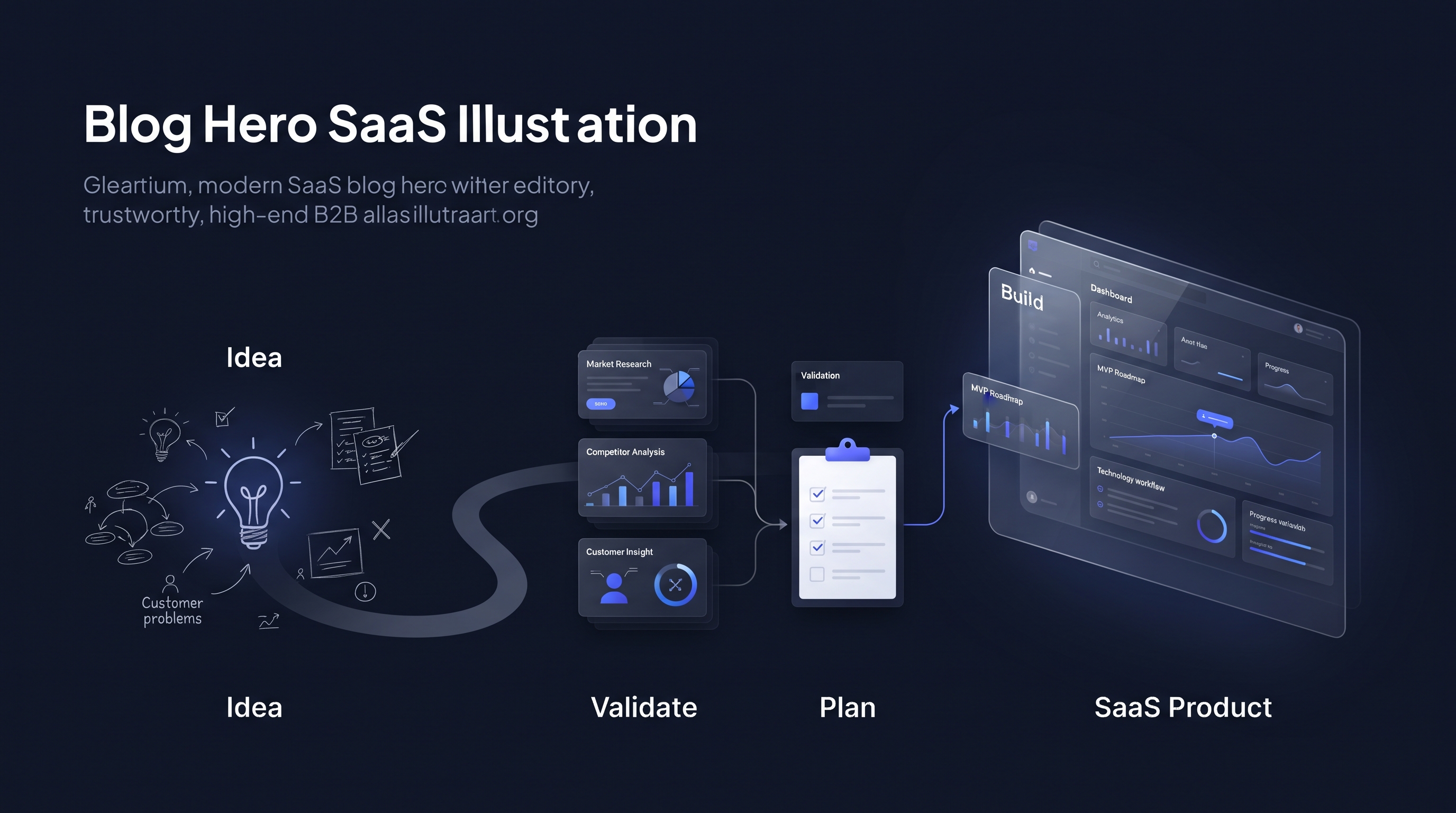
AI Dev Planner is designed around this planning-first approach. Its product workflow brings together idea validation, market research, customer insights, product planning, technical strategy, cost estimation, and development planning before implementation.

Unclear Requirements Create Expensive Problems

Scope Creep, Cost Overruns, and Missed Deadlines

Scope creep happens when a software project continuously expands beyond its original definition. A new feature may seem small on its own, but multiple changes can affect architecture, development effort, testing, integrations, and delivery schedules.

Software development cost is also difficult to understand when scope is unclear. A useful estimate needs to account for requirements, feature complexity, platforms, integrations, technical constraints, development effort, and quality assurance rather than relying on an arbitrary number.

  • Define the MVP before development begins.
  • Prioritize features according to the product goal.
  • Treat new requirements as explicit change requests.
  • Reassess cost and timeline when scope changes.
  • Track dependencies that can block development.
  • Distinguish between essential functionality and future improvements.
  • Keep business goals connected to every major product decision.

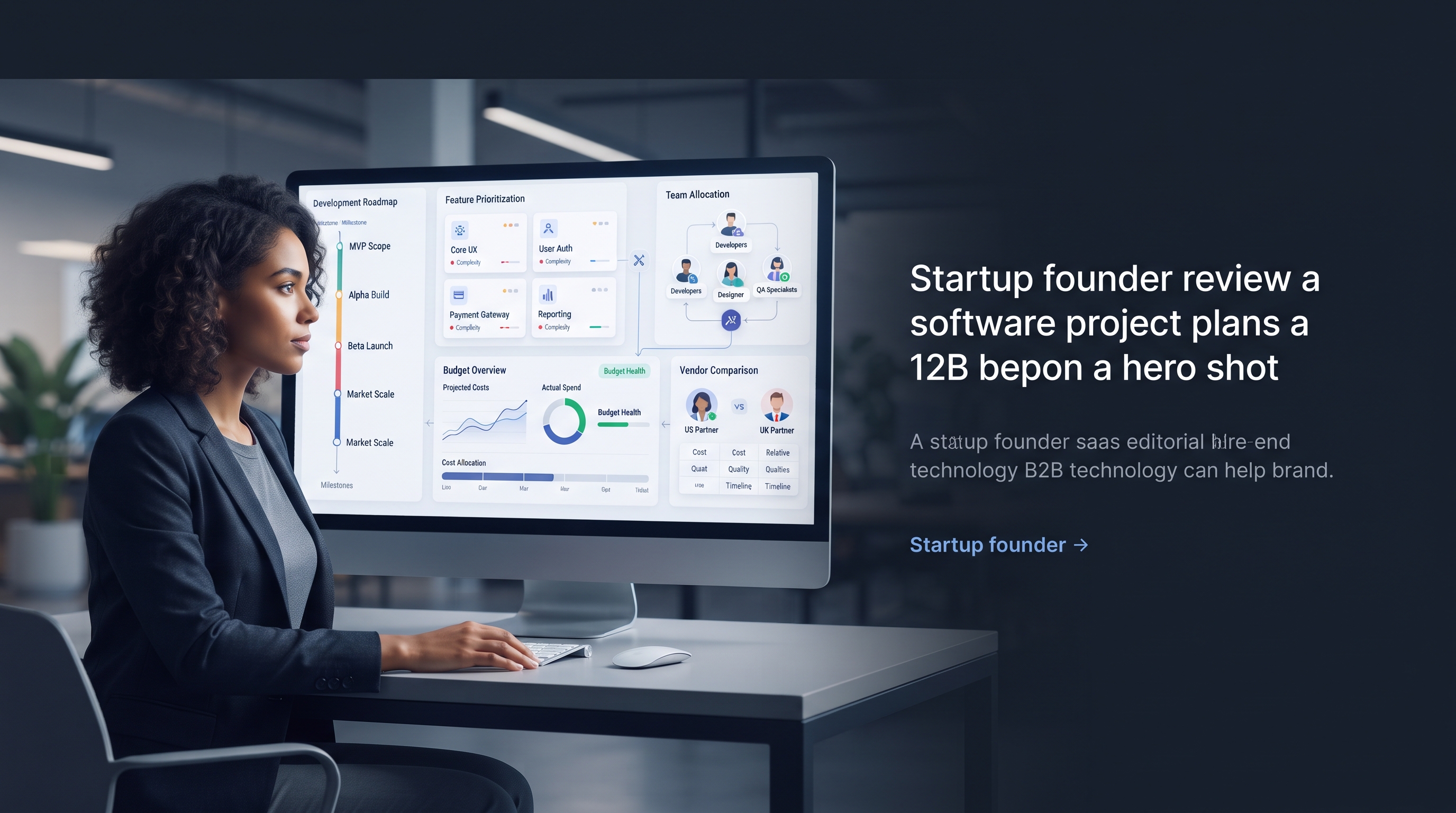
A structured software development roadmap gives both the client and development team a clearer basis for discussing milestones, responsibilities, risks, dependencies, and delivery expectations.

Scope Creep, Cost Overruns, and Missed Deadlines

Communication and Project Visibility Matter

Poor communication can make a technically capable software development company difficult to work with. Clients need to understand what has been completed, what is being worked on, what is blocked, which decisions are required, and whether the project is still aligned with its original objectives.

Project visibility is especially important for non-technical founders. Without clear reporting and documented decisions, clients may end up managing developers themselves just to understand what is happening.

  • Establish clear communication responsibilities.
  • Use defined milestones instead of vague progress updates.
  • Make blockers and dependencies visible.
  • Document important technical and product decisions.
  • Review completed work regularly.
  • Connect development progress to product outcomes.
  • Clarify the client's responsibilities and dependencies.

A transparent software project management process does not mean sending more messages. It means making the right information visible at the right time so decisions can be made before small problems become larger ones.

Communication and Project Visibility Matter

Technical Decisions, Quality, and Long-Term Maintainability

A software development project can meet its initial deadline and still create problems later if technical decisions are made without considering the product's requirements. Architecture, integrations, security, testing, performance, maintainability, and operational complexity all influence the long-term cost of software.

The goal is not to select the most fashionable technology. The technical approach should fit the product, users, business model, expected scale, available resources, and future requirements.

  • Choose architecture based on product requirements.
  • Define technical risks before implementation.
  • Build testing into the development process.
  • Review code quality and technical decisions.
  • Plan for security and production reliability.
  • Document architecture and important system decisions.
  • Consider maintainability and future development effort.

AI Dev Planner's broader engineering approach connects product strategy, architecture, engineering, quality, security, deployment, monitoring, and continuous improvement rather than treating software development as coding alone.

Technical Decisions, Quality, and Long-Term Maintainability

Vendor Lock-In, Ownership, and Handover

Vendor dependency becomes a serious problem when a client cannot confidently move the product to another development team. Source-code ownership, repositories, cloud accounts, databases, documentation, architecture records, credentials, deployment processes, and technical knowledge all matter when a project changes hands.

A professional software development partner should make ownership and handover expectations clear from the beginning. The goal is not to make the client permanently dependent on one agency or software house.

  • Confirm source-code ownership.
  • Maintain access to the relevant repositories and infrastructure.
  • Document the technical architecture.
  • Record important product and engineering decisions.
  • Define handover procedures.
  • Maintain technical documentation and runbooks.
  • Plan for knowledge transfer when teams change.
  • Understand post-launch maintenance responsibilities.

AI Dev Planner's current engineering approach emphasizes shared repositories, architecture records, documentation, runbooks, handover procedures, and knowledge transfer as part of building trust around software delivery.

How AI Dev Planner Helps Before You Build

AI Dev Planner combines evidence-driven startup research with structured product and development planning. The goal is to help founders move from an initial software idea toward a validated, practical, and executable product plan before committing heavily to implementation.

The process connects the decisions that are often handled separately: market research, competitor analysis, customer insights, product planning, technical strategy, cost estimation, development planning, and go-to-market preparation.

  • Research the market before committing to a product direction.
  • Identify competitors and existing alternatives.
  • Understand customer problems and assumptions.
  • Validate the opportunity before overbuilding.
  • Define the MVP and prioritize requirements.
  • Translate product requirements into technical considerations.
  • Estimate development needs and potential costs.
  • Create a structured development roadmap.
  • Prepare for launch and go-to-market decisions.

This creates a bridge between startup validation and software development planning. Instead of treating validation, product strategy, engineering, and launch as disconnected activities, founders can use them as connected steps toward the same product decision.

How AI Dev Planner Helps Before You Build

A Practical Checklist Before Hiring a Software Development Company

Before choosing a software development company, software house, software agency, or outsourcing partner, the most important questions are not only about programming languages or hourly rates. They are about how the company understands your business problem, defines requirements, manages scope, communicates progress, handles technical decisions, and supports the product after launch.

Use this checklist before signing a development agreement:

  • What business problem are we solving?
  • Who are the target users?
  • What evidence supports the product idea?
  • What exactly belongs in the MVP?
  • What requirements are documented?
  • What assumptions still need validation?
  • How will scope changes be handled?
  • How will software development costs be estimated and reviewed?
  • How will milestones and progress be reported?
  • Who owns the source code and technical infrastructure?
  • How will documentation and knowledge transfer work?
  • What testing and quality processes are included?
  • What happens after launch?
  • How will maintenance, monitoring, and future development be handled?

The right software development process should make these questions easier to answer, not harder.

Frequently Asked Questions About Software Development Problems

What are the biggest problems with software development companies?

Common client concerns include unclear requirements, poor communication, scope creep, cost overruns, missed deadlines, limited project visibility, quality problems, vendor dependency, difficult handover, and weak post-launch support.

Why do software projects go over budget?

Software development costs can increase when requirements are unclear, scope changes repeatedly, technical dependencies emerge, integrations become more complex, or additional quality and testing work is required. Clear scope and documented assumptions can make cost discussions more transparent.

How can I prevent scope creep in software development?

Start with a clearly defined MVP, document requirements, prioritize features, establish change-control expectations, and reassess cost and timeline when new requirements are introduced.

How do I choose a software development company?

Look for a team that understands your business goals before discussing implementation, can explain its technical decisions, communicates clearly, defines scope, provides project visibility, and has a clear approach to quality, ownership, handover, and post-launch maintenance.

How much does software development cost?

There is no universal software development price. Cost depends on project scope, feature complexity, platforms, integrations, technical requirements, and the team model. A useful estimate should follow enough discovery and requirements definition to understand what needs to be built.

How long does software development take?

The timeline depends on the scope, platforms, requirements maturity, integrations, and testing needs. MVP timelines can vary significantly depending on these factors rather than following one universal schedule.

What is software vendor lock-in?

Software vendor lock-in occurs when moving a product away from its current development vendor becomes difficult because of dependencies involving code, infrastructure, documentation, technical knowledge, or operational access. Clear ownership and handover practices can reduce this dependency.

Can AI Dev Planner help before hiring developers?

Yes. AI Dev Planner is designed to help founders and product builders research, validate, plan, and structure a software idea before implementation, including market research, competitor analysis, customer insights, product planning, technical strategy, cost estimation, and development planning.


Obaid Tariq

About the author

Obaid Tariq

Founder & Product Builder

I am a product builder helping founders turn ideas into real products through research, validation, product strategy, and practical technology planning. I connect business problems, customer needs, product decisions, and engineering so teams can build with greater clarity.

More blogs

View more

Get the latest insights

Practical ideas for building better products, delivered directly to your inbox.

Stay objective.

Receive actionable system architectures and empirical experiments straight to your inbox.

One email per post. No spam — unsubscribe anytime.